
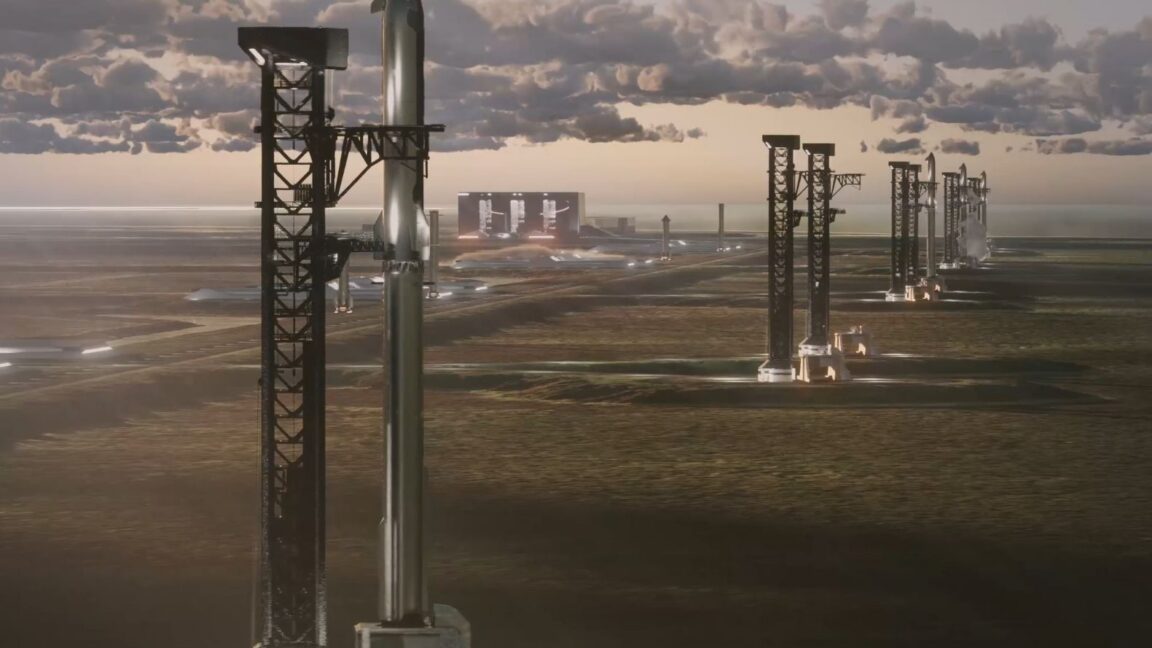
SpaceX intends to invest up to $100 billion in massive Louisiana spaceport
SpaceX is planning a monumental expansion into southern Louisiana, proposing an investment of up to 100 billion dollars to develop a massive new spaceport on Pecan Island. The project centers on roughly 125,000 acres of land that became available through a legal settlement involving ExxonMobil regarding pollution and coastal loss. While the scale of the facility is immense, SpaceX executive Gwynne Shotwell emphasized that the company intends to utilize only a small fraction of the total acreage, leaving much of the landscape preserved for wildlife and traditional recreational activities like fishing and hunting.
Beyond launching rockets, the aerospace giant aims to tackle some of the region’s most pressing ecological issues. Initial efforts will focus on combating severe coastal erosion, which currently claims several meters of shoreline annually. By partnering with state and federal agencies, SpaceX hopes to integrate its work into Louisiana’s Coastal Master Plan, specifically by constructing breakwaters along the Gulf shoreline to protect the fragile environment. Construction on the first launch facilities is slated to begin in 2027, with a target date for the inaugural launch set for 2029.
The choice of location provides strategic logistical advantages that make it ideal for transporting heavy equipment. Situated near the Intracoastal Waterway with deep water access, the site allows for easy movement of rockets via barge from SpaceX’s existing Starfactory in South Texas. Furthermore, the geography enables efficient access to polar orbits, allowing Starships carrying orbital data center satellites to travel north or south with minimal transit over populated areas compared to other sites.
For local residents and government officials, who were first approached by SpaceX about six months ago, the venture promises a significant economic windfall. Along with the capital investment, SpaceX has pledged to create between 3,000 and 10,000 local jobs. The company expects to recruit heavily from among welders and energy sector tradespeople as it builds what essentially amounts to a small city designed to support operations for the world’s largest rocket system.